
Your Estate Plan Is Missing One Huge Piece
Most estate plans are thorough on paper. There's a will, maybe a trust, powers of attorney, healthcare proxies. The house is accounted for. The accounts are accounted for. Everyone knows who gets what, at least on the big-ticket items.
But ask most families what happens to the china cabinet, the fifty years of photo albums, the workshop full of tools, the closets, the attic, the three sets of good silver, and you'll usually get a shrug. "We'll figure it out when the time comes."
That's the piece missing from almost every estate plan we see: a plan for the stuff.
Why This Gap Is So Common
Estate attorneys are trained to handle assets, taxes, and legal transfers of ownership. They're not typically trained to help a family figure out who gets Grandma's rocking chair, or what to do with forty years of National Geographic magazines. That's not a knock on attorneys, it's simply outside the scope of what a will is built to do.
So the personal property in a home, often the part with the most emotional weight, gets left as an afterthought. And "we'll figure it out later" usually means figuring it out during one of the hardest weeks of a family's life, right after a loss, under time pressure, with everyone grieving differently and nobody quite sure what Mom or Dad actually wanted.
The Number Nobody Talks About: 1,000+ Hours
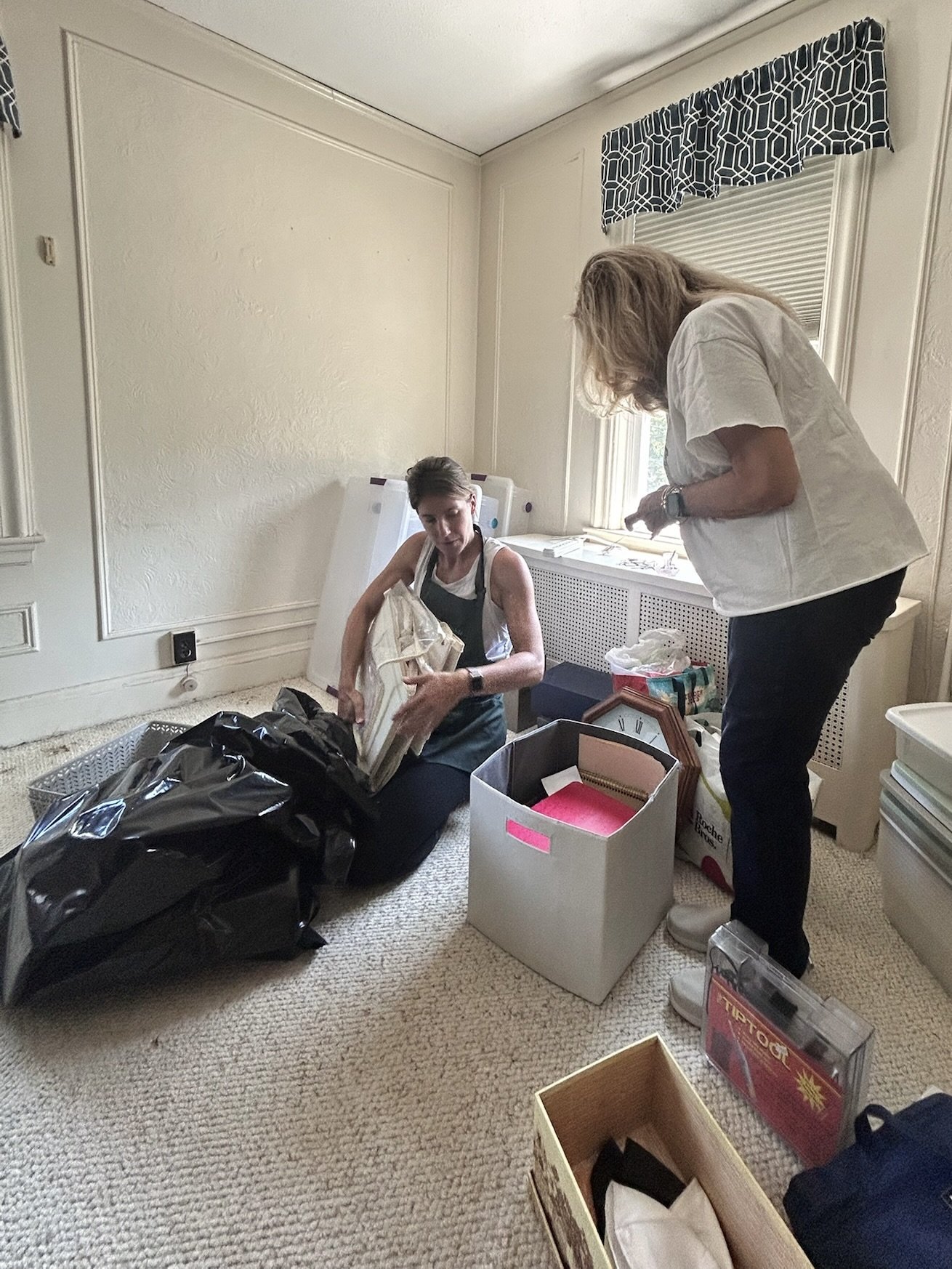
Here's what most people don't realize until they're living it. Fully clearing out a home after a death, sorting every drawer, closet, box, and shelf, deciding what to keep, sell, donate, or throw away, researching what things are worth, coordinating pickups, and handling paperwork, can add up to well over 1,000 hours of work for a family.
Think about what that actually means. A home doesn't just hold a couch and a bed. It holds decades of everything: every kitchen gadget bought and used once, every drawer of receipts and greeting cards, every closet of clothes, every box in the attic that was packed up "for later" twenty years ago and never opened again. Multiply that across every room, every closet, every shelf, and the hours add up fast, often without anyone realizing it until they're deep into week three of a project they thought would take a weekend.
And here's the part that makes it so much harder: those 1,000+ hours don't happen at a convenient time. They happen right after a death, while the family is grieving, often while also handling a funeral, notifying accounts, managing the house sale, and going back to work and normal life in between. Grief and exhaustion are a terrible combination for the kind of sustained, detailed decision-making that a full estate cleanout demands.
What Happens When There's No Plan
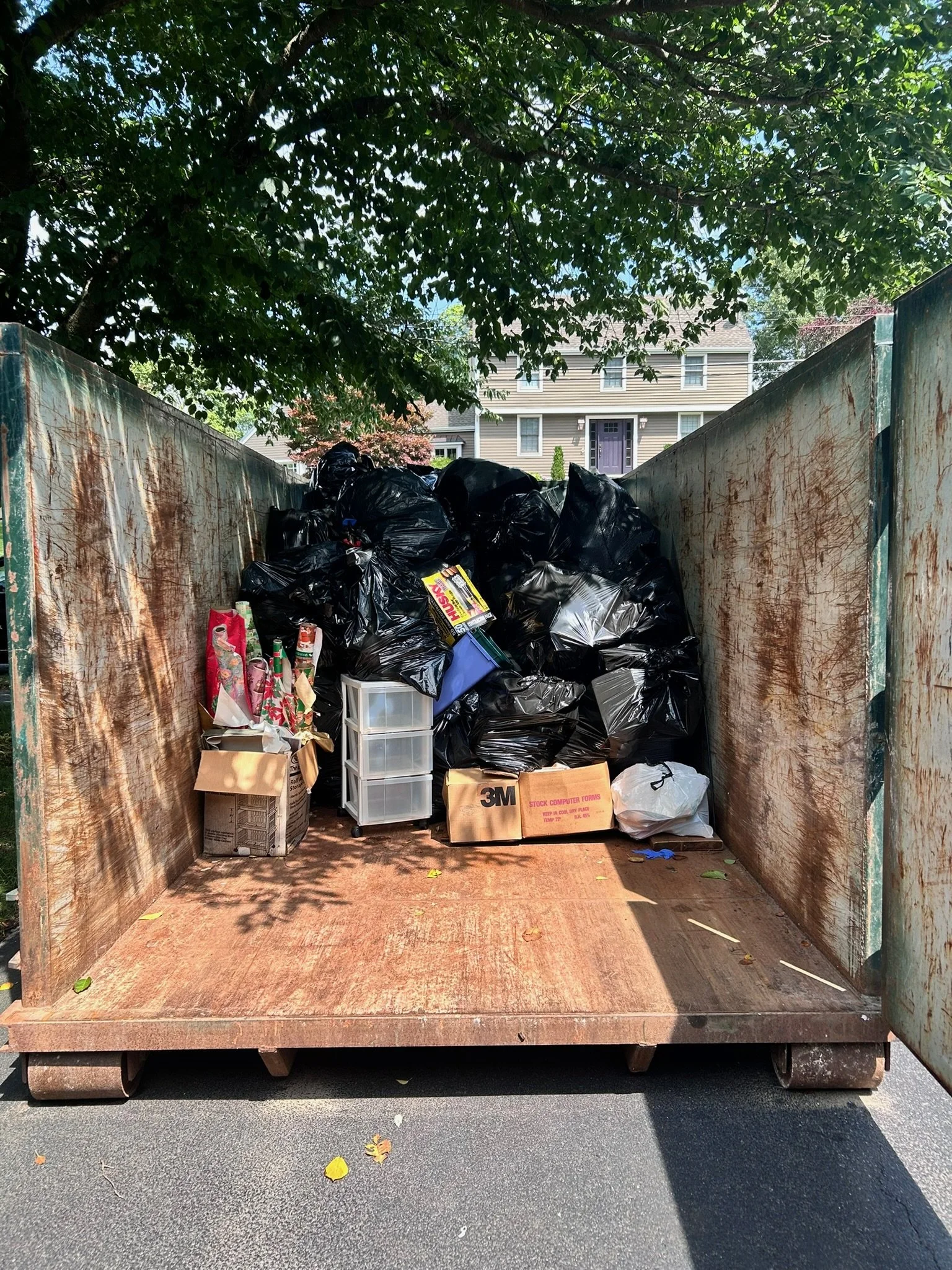
We've worked with families across Brookline, Newton, and the rest of Greater Boston who are staring down a house that took someone sixty years to fill, with no instructions for a single item in it. The results are predictable:
Siblings disagree about who "deserves" certain items. Sentimental things get fought over while genuinely valuable things get missed entirely. Decisions get made in a rush, out of exhaustion, and people regret them later. And the emotional cost often outweighs the financial one: arguments over a dining table can outlast the estate itself.
Without a plan, all of those 1,000+ hours of decisions fall on grieving family members at once, with no roadmap for who wanted what or what should happen to the rest. With even a basic plan in place, a huge share of that time and decision-making can happen calmly, in advance, long before grief is part of the equation.
What to Include Instead
A complete estate plan should pair the legal document with a practical, human one. That doesn't require a lawyer, it requires intention. Consider adding:
A personal property memorandum that names specific items and who should receive them. Many states, including Massachusetts, allow this as a simple attachment referenced in a will.
A written or recorded conversation, even an informal letter, explaining the why behind sentimental items. Knowing that a chair belonged to a great-grandmother changes how a family treats it.
A general plan for the volume of belongings that won't go to a specific person: what should be sold, donated, or offered to family first before anything is discarded. Even better, recommendations of a downsizing or estate cleanout company they can call at that time.
Clarity on timing: whether the goal is to downsize while everyone is still living, or to handle the full home after a passing.
The Best Time to Do This Is Now
The families who feel most at peace with this process are the ones who started while everyone was still around to have the conversation. It turns a potentially painful task into a shared one, even a meaningful one. Sorting through belongings together, hearing the stories behind them, and deciding together where things should go can be a gift in itself, long before it becomes a requirement.
If your estate plan covers the house and the money but not what's inside the house, it isn't finished yet. Talk to your estate attorney about adding a personal property memorandum, and if the sheer volume of belongings feels overwhelming, that's exactly where Downsizable comes in. We help Greater Boston families sort, organize, and manage the physical side of downsizing and estate transitions, so the legal plan and the real-life plan actually match.